As winter approaches in Old Bethpage, the risk of frozen pipes becomes a pressing concern for homeowners. Frozen pipes can lead to significant damage, costly repairs, and major inconveniences. This article will provide you with essential tips on how to prevent frozen pipes in Old Bethpage winters, ensuring your plumbing remains intact throughout the cold months.
Understanding the Risks of Frozen Pipes
Frozen pipes occur when the temperature drops significantly, causing the water inside to freeze. When water freezes, it expands, which can lead to pipes bursting. In Old Bethpage, where winter temperatures can dip below freezing, understanding this risk is crucial. Older homes with uninsulated pipes are particularly vulnerable.
Signs Your Pipes Are at Risk
Identifying the signs of potential frozen pipes early can save you from serious issues later. Here are some indicators:
- Water pressure drops suddenly in your home.
- Unusual noises, such as banging or gurgling, from your pipes.
- Frost or condensation on your pipes.
- Water flow is slow or completely stopped.
If you notice any of these signs, it may be time to take preventative measures to avoid frozen pipes.
Best Practices for Preventing Frozen Pipes
Implementing effective strategies can greatly reduce the risk of frozen pipes:
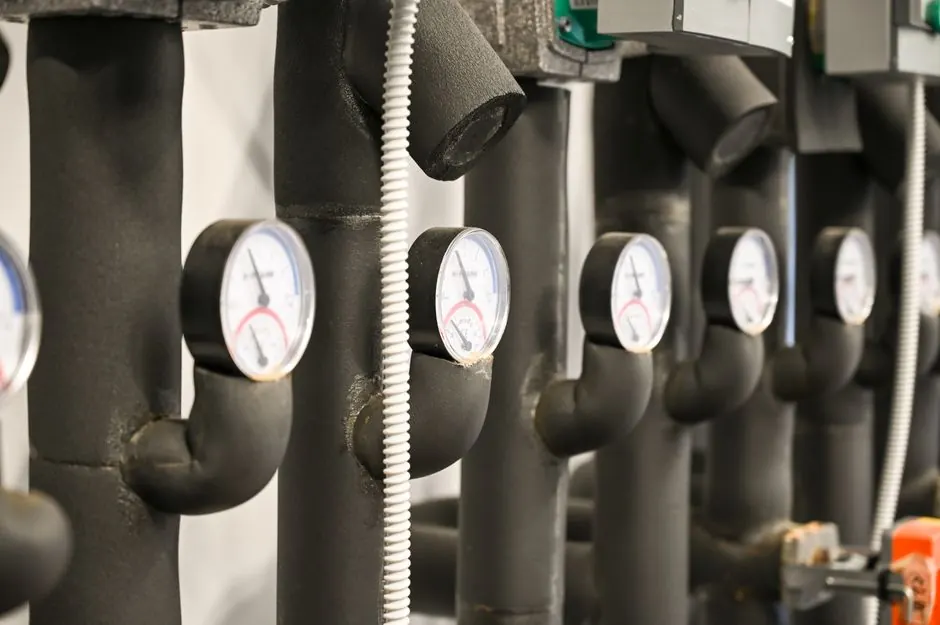
- Insulate your pipes: Use foam insulation sleeves or wrapping to cover pipes in unheated areas.
- Keep the heat on: Maintain a consistent temperature in your home, even when you're away. Set your thermostat no lower than 55°F.
- Open cabinet doors: Allow warm air to circulate around plumbing fixtures, especially those located against exterior walls.
- Let faucets drip: Allowing a small trickle of water to flow can prevent freezing by relieving pressure in the system.
- Seal cracks and openings: Inspect your home for any gaps around windows, doors, and where pipes enter the home, sealing them to prevent cold air from entering.
By following these best practices for preventing frozen pipes Old Bethpage, you can significantly lower the chances of your pipes freezing.
How to Winterize Your Plumbing
Winterizing your plumbing is essential for protecting your home during the colder months. Here are steps to effectively winterize:
- Drain and store outdoor hoses.
- Shut off and drain outdoor faucets.
- Flush and winterize your sprinkler system.
- Consider draining your water heater if you're away for an extended period.
These steps are crucial in ensuring your plumbing system is ready for the harsh Old Bethpage winter.
Common Mistakes to Avoid
When it comes to preventing frozen pipes, homeowners often make mistakes that can lead to problems:
- Neglecting to insulate pipes in attics or crawl spaces.
- Turning the heat off when leaving home for an extended period.
- Ignoring signs of low water pressure or slow flow.
- Failing to check for drafts around windows and doors.
Avoiding these common pitfalls can help you maintain a functional plumbing system throughout winter.
When to Call a Professional
If you suspect your pipes are frozen, it's essential to act quickly. You may need to call a professional for assistance. Old Bethpage Plumbing Experts can help diagnose and resolve any issues with your plumbing system, ensuring that your home remains safe and functional during the winter months.
Frequently Asked Questions
What should I do to prevent frozen pipes in Old Bethpage? Start by insulating pipes in unheated areas, maintaining a consistent indoor temperature, and letting faucets drip during extreme cold spells.
How do I know if my pipes are at risk of freezing in Old Bethpage? Look for signs such as reduced water pressure, unusual noises in your plumbing, and frost on exposed pipes.
What should I do if my pipes freeze? If you suspect frozen pipes, turn on the faucet to relieve pressure and use a hair dryer or heat tape to gently warm the pipe. If unsure, call a professional.
Can I thaw frozen pipes myself? Yes, but caution is essential. Gradually warm the pipe with heat sources like a hair dryer, never use an open flame.
When should I call a plumber? If you experience a burst pipe, significant leaks, or are unable to thaw your pipes, it's time to call a professional.